Reviewing the Christmas Llama Watercolor Sticker PNG
As a designer who spends half my life digitizing and the other half stitching, I have learned to look past the glossy preview images. We all know that what looks perfect on a screen can sometimes turn into a tangled mess of thread on fabric. Recently, I pulled up the Christmas Llama Watercolor Sticker PNG to evaluate its potential for a upcoming holiday collection. My goal was not just to admire the art, but to determine if this asset could hold up in real-world embroidery projects, from custom apparel to boutique home decor.
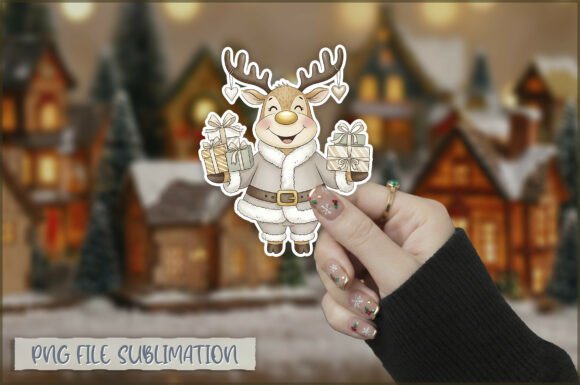
The first impression is undeniably charming. The watercolor aesthetic brings a soft, organic feel that contrasts nicely with the rigid structure of machine stitching. For those of us in the craft business, finding designs that bridge the gap between digital art and tactile handmade goods is crucial. This piece, categorized under Illustrations, offers a whimsical yet sophisticated vibe. It feels less like a generic clipart insert and more like a deliberate artistic choice. However, translating a watercolor style into thread requires careful planning. The subtle gradients and soft edges of the original PNG need to be interpreted correctly to maintain that delicate look without losing definition.
Visual Appeal and Project Fit
When I imagine this design stitched out, I see it working beautifully on items that benefit from a touch of warmth and personality. The llama motif, adorned with festive elements, naturally leans toward holiday embroidery. I tested the visual layout mentally against several common products. For a tote bag design, the central placement of the llama would create a striking focal point. On a canvas tote, the sturdy fabric would support the necessary stitch density, allowing the colors to pop.
I also considered this for sweatshirt embroidery. A crewneck sweatshirt provides a large, flat surface area that is ideal for showcasing the details of the watercolor effect. The softness of the fleece complements the gentle nature of the illustration. For Etsy sellers looking to expand their winter catalog, this could be a standout item. It appeals to buyers who want something festive but not overly traditional. It is quirky, modern, and highly shareable on social media, which drives engagement for small shop products.
Beyond apparel, I see strong potential for nursery decor and baby embroidery. The playful subject matter is perfect for a baby blanket or a personalized bib. Parents are always on the lookout for unique, high-quality personalized gifts, and a well-executed llama design fits that niche perfectly. The key here is scaling. The design must be large enough to capture the nuances of the watercolor style but not so large that it becomes stiff or heavy on delicate baby fabrics.
Technical Considerations for Stitching
Here is where the rubber meets the road. A machine embroidery design derived from a watercolor image presents specific challenges. Watercolor art relies on bleeding colors and soft transitions. In embroidery, we achieve this through careful color blending and stitch direction. If you are using this as a reference for digitizing your own embroidery file, pay close attention to thread colors. You will need a broader palette than usual to mimic the gradient effects. Using variegated threads could also help achieve that organic, painted look without excessive color changes.
Stitch density is another critical factor. To preserve the light, airy feel of the watercolor style, avoid over-packing the stitches. A dense fill can make the fabric pucker and lose its drape, especially on lighter materials. Instead, consider using a mix of satin stitch for outlines and defined areas, and lighter fill stitch patterns for the broader colored sections. Running stitch details can add texture and depth without adding bulk. This approach ensures the finished product remains soft and flexible, which is essential for wearable items like custom apparel.
Fabric choice plays a massive role in the final outcome. On textured fabrics, some of the finer details might get lost. I recommend testing the design on a smooth, medium-weight cotton or a stable polyester blend first. If you are working with stretchy fabric like jersey or fleece, proper stabilization is non-negotiable. Use a cut-away stabilizer for garments that will be washed frequently, as it provides lasting support and prevents the design from distorting over time. For embroidered patch creation, a tear-away stabilizer might suffice during stitching, but the backing should be robust to maintain the patch's shape.
Navigating Potential Pitfalls
While the Christmas Llama Watercolor Sticker PNG is versatile, it is not without its limitations. One area requiring caution is small hoop sizes. If you attempt to shrink this design too much for a small pocket or a cuff, the intricate details will merge into a blob. The watercolor effect relies on visible color separation; if the stitches are too close together due to reduction, that clarity disappears. Always check the minimum recommended size before committing to a small hoop size.
Dark fabrics present another challenge. Watercolor designs often feature light, pastel tones. Stitching these directly onto black or navy fabric will result in poor visibility unless you use an underlay or a base layer of white thread. Alternatively, consider creating an applique design version. By stitching a white fabric shape first and then embroidering the llama on top, you ensure the colors remain vibrant and true to the original illustration. This technique is particularly effective for caps and hats, where the curved surface and dark common colors can obscure detailed embroidery.
Additionally, be mindful of commercial embroidery timelines. Complex color blends take longer to stitch and require more thread changes. If you are producing items for a craft fair or fulfilling a large order, calculate the stitch time carefully. A design that takes twenty minutes to stitch is very different from one that takes five in terms of profitability. Efficiency matters for any small business owner.
Practical Designer Notes
Before you launch this into your production line, follow these practical steps to ensure quality:
- Test on scrap fabric: Never skip this step. See how the threads interact with your specific material.
- Check contrast: View your test stitch-out in black and white. If the design loses its form without color, you need to adjust your shading or outline strength.
- Verify licensing: Ensure you have the right to use the digital embroidery file or reference image for commercial sales. Rules vary by creator.
- Mockup versatility: Create printable mockup images showing the design on various backgrounds. This helps customers visualize the finished product and increases buyer confidence.
- Stabilizer selection: Match your stabilizer to your fabric. Lightweight fabrics need lightweight stabilizers to prevent stiffness.
In conclusion, the Christmas Llama Watercolor Sticker PNG is a promising asset for designers willing to put in the technical legwork. It offers a fresh take on holiday themes, moving away from traditional red and green motifs into something more artistic and modern. For the handmade product market, this distinctiveness is valuable. It allows you to create items that stand out in a crowded marketplace. Whether you are making a single personalized gift or stocking your online store, this design rewards careful execution with a professional, high-end result. Just remember that the beauty of watercolor lies in its flow, and your stitching should aim to capture that same sense of movement and ease.